
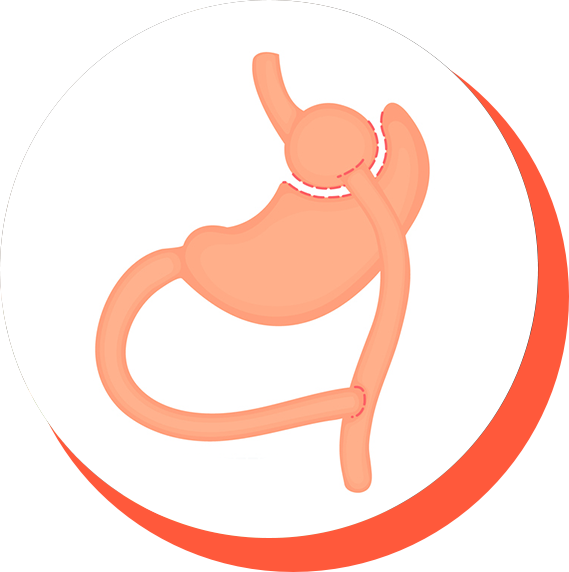
What is the gastric bypass?
Gastric bypass is a surgical procedure that aims to help obese people lose weight significantly. This is a major procedure that involves two main steps: reducing the size of the stomach and bypassing part of the small intestine.
Reducing the size of the stomach
During gastric bypass, the surgeon creates a small pocket using staples or sutures to reduce the size of the stomach. This newly formed pouch has a much smaller capacity than the original stomach, which leads to a faster feeling of satiety after consuming small amounts of food. Excluded stomach remains functional but no longer participates in digestion.
Bypass of the small intestine
In the second step of the gastric bypass, the surgeon directly connects the gastric pouch to a lower section of the small intestine, bypassing much of the stomach and small intestine. This limits the absorption of calories and nutrients, thus reducing total calorie intake.
Who is the bypass for?
The gastrojejunal bypass is the second most practiced bariatric intervention in France after the Sleeve gastrectomy. The indications for this surgery are identical to that of the sleeve. This procedure is more proposed to patients with type 2 diabetes (and a fortiori if this diabetes is poorly balanced) and patients with gastrointestinal refluxdocumented and symptomatic esophageal and finally to patients who have resorted to a first restrictive procedure type of gastroplasty by ring or sleeve gastrectomy.
The complications inherent in the anatomical modification of the small intestine (abdominal pain, intestinal oclusion) mean that this surgery is not systematically proposed first-line.
The gastric bypass stages:
1. Preoperative Preparation:
Before the procedure, a thorough consultation with a specialized surgeon is necessary. The patient undergoes a full medical assessment to ensure that he is in good health and is an appropriate candidate for this procedure.
2. Surgery:
Gastric bypass is performed under general anesthesia. The surgeon first proceeds to reduce the size of the stomach by creating the small pouch. Then it performs the bypass of the small intestine by directly reconnecting the gastric pouch to a lower section of the small intestine.
3. Post-operative recovery period:
After the intervention, the patient must follow a recovery program and regular medical follow-up. Gradual dietary changes are necessary to adapt to the new size of the stomach. Psychological follow-up is also recommended to help the patient adapt to emotional and behavioral changes related to weight loss.
The benefits of gastric bypass:

Significant weight loss
Gastric bypass is one of the most effective surgical interventions for weight loss. Patients can expect to lose on average 60-80% of their excess weight within 12-18 months of the procedure.

Improvement of comorbidities related to obesity
In addition to weight loss, gastric bypass can lead to significant improvement in diseases associated with obesity, such as type 2 diabetes, high blood pressure, sleep apnea and joint problems.

Reduced appetite
Modification of the stomach and small intestine leads to a decrease in the feeling of hunger in patients. This facilitates portion control and helps to adopt a healthier eating lifestyle.

Metabolism stimulation
Gastric bypass can lead to an increase in baseline metabolism, which means the body burns more calories at rest. This contributes to continued weight loss even after the initial period of rapid weight loss.
Possible risks and complications:

Risks related to anesthesia and surgery
Like any surgical procedure, gastric bypass involves risks related to anesthesia and surgical complications such as infections, bleeding and complications related to sutures.

Postoperative infections
Infections may occur after surgery and require appropriate antibiotic treatment. It is essential to follow the surgeon’s instructions for post-operative care and cleanliness to reduce the risk of infection.

Psychological adjustment disorders
Rapid weight loss can lead to significant emotional and behavioural changes. Some patients may experience psychological difficulties such as depression, anxiety or body image disorders. Psychological support is essential to help patients adapt to postoperative changes.
Criteria for considering gastric bypass:
1. Body mass index (BMI) greater than 40 or greater than 35 with comorbidities:
Gastric bypass is generally recommended for people with severe obesity who have not managed to lose weight significantly with conventional methods.
2. Failure of conventional methods of weight loss:
People who have tried unsuccessfully diets, exercise and other methods of weight loss for an extended period of time may consider gastric bypass as an option.
3. Long-term commitment to healthy living:
The long-term success of gastric bypass depends on the patient’s commitment to a healthy lifestyle, including a balanced diet and regular physical activity.
4. Contraindications and absence of medical contraindications:
Documented studies have shown that alcohol dependent patients can more easily develop chronic alcoholism after this surgery. Psychiatric doctors contraindicate the practice of bypass in patients with an exaggerated tendency to consume alcohol.
Some medical conditions may contraindicate gastric bypass, such as bleeding disorders, severe cardiovascular disease or uncontrolled psychiatric disorders. A full medical assessment is required to determine patient eligibility.
