An effective and safe weight loss procedure
Sleeve gastrectomy, also known as sleeve is a weight loss surgery that is considered a first choice (gold standard) procedure within the various bariatric surgery techniques. This procedure involves reducing the size of the stomach by turning it into a thin tube, which leads to a significant reduction in appetite and the ability to consume large amounts of food.
What is Sleeve Gastrectomy?
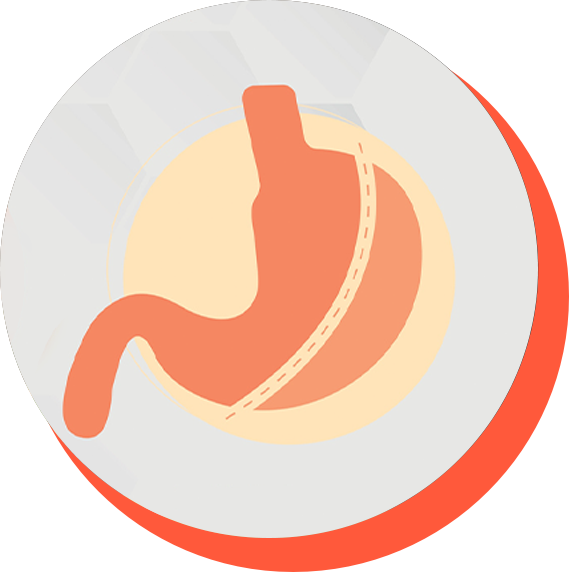
Sleeve is a bariatric surgical procedure that involves reducing the size of the stomach. During surgery, the surgeon removes much of the stomach, leaving a thin tube called a sleeve. This transformation of the stomach reduces the storage capacity of food and influences the hormones of hunger, which helps patients to quickly feel satiety and consume less food. Sleeve is generally recommended for people suffering from severe and morbid obesity or other health problems related to their weight.
Multidisciplinary path
The surgery is subject to multidisciplinary management including nutritional and psychological monitoring of at least 6 months, cardiorespiratory evaluation, metabolic assessment and gastric endoscopy. The multidisciplinary team that works with Dr Barei is nationally recognized in this field and the expert doctors are qualified by the High Authority of Health (HAS) in this field.
At the end of this course, a request for support is made to the CPAM (Primary Health Insurance Fund) . This course is a sinuanone condition for CPAM to take charge of the intervention.
Advantages of the sleeve gastrectomy
The Sleeve has the advantage of respecting the native anatomy by significantly reducing gastric volume but does not affect the rest of the digestive tract. It offers many benefits for people looking to lose weight sustainably.

A significant weight loss
Patients can expect to lose an average of 80% of their excess weight within 12 to 18 months of the procedure.

Presents less risk of complications
In the short and medium term than other more invasive bariatric procedures.

Can improve health problems associated with obesity
Such as type 2 diabetes, high blood pressure and cardiovascular disease.
Risks and complications
Although Sleeve gastrectomy is considered a relatively safe procedure, it is not without risks.

Complications may occur
These include infections, suture leaks, internal bleeding and digestive problems. However, it is important to note that these complications are rare and usually occur in less than 5% of patients.

Discuss with the chiurgien
Before undergoing a sleeve gastrectomy, it is crucial to discuss the potential risks with the surgeon and follow the postoperative instructions to minimize these risks.
Long-term results
The long-term success of the sleeve depends on the patient’s commitment to a healthy lifestyle. After the procedure, it is essential to follow a balanced diet and maintain regular physical activity to avoid weight gain. Studies show that sleeve gastroplasty can help patients maintain significant weight loss up to five years after surgery. However, it is important to note that outcomes vary from person to person, and regular medical follow-up is necessary to assess progress and provide ongoing support
In short
Sleeve gastrectomy is a safe surgical procedure with minimal side effects for patients with severe obesity. This intervention offers significant benefits in terms of weight loss, improvement of health problems associated with obesity and short-term risk reduction compared to other bariatric procedures. However, understanding the potential risks and engaging in a healthy lifestyle after the intervention is essential to achieving lasting results.
